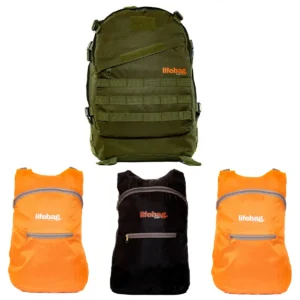
In the Netherlands, prolonged power outages are uncommon — but they do happen. Severe winter storms, heavy rainfall, flooding, heatwaves, technical failures, or large-scale incidents can disrupt the electricity grid. While the Dutch infrastructure is generally reliable, high population density and dependence on digital systems mean that even a short blackout can quickly affect daily life.
Power outages may also occur as a secondary effect of flooding, storms, cyber incidents, or major infrastructure failures. In such situations, being prepared in advance is essential.
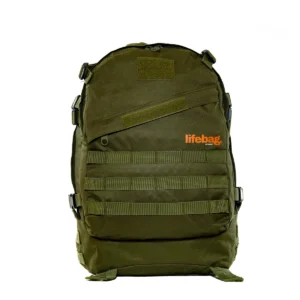
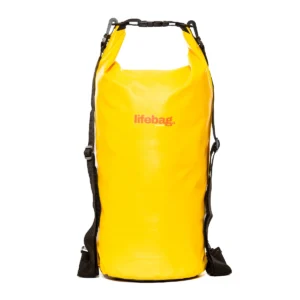
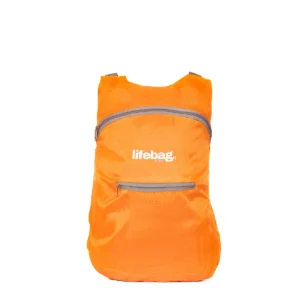
Whether you live in a city apartment or a rural area, a prolonged power outage can quickly turn a normal day into a serious challenge. With a few practical steps and a clear plan — supported by an emergency kit like LifeBag — you can get through it safely and with far less stress.
Here’s what you need to know.
Preparation is the most important factor in coping with a blackout.
Secure alternative light and power sources
Battery-powered flashlights, rechargeable lamps, and solar lights are essential. LifeBag Plus includes a 3-in-1 flashlight with radio and built-in battery, rechargeable via solar panel or hand crank—ideal during extended outages when standard batteries run out.
Store water and non-perishable food
Without electricity, fridges and freezers stop working, and water supply may be disrupted. Keep bottled water and food that doesn’t require cooking. All LifeBag versions (Basic, Plus, Booster) include 72-hour water and food supplies, aligned with government preparedness advice.
Prepare for cold or heat
In winter, indoor temperatures can drop quickly without heating. Keep warm clothing and blankets ready. LifeBag Plus includes an emergency thermal blanket that reflects body heat.
In summer, ensure ventilation and hydration during heatwaves.
Protect electronics
Use surge protectors or unplug sensitive devices during outages to prevent damage when power returns.
Keep cash available
Card payments and ATMs may not work. A small amount of cash can be crucial.
When the power goes out, your actions matter.
Once electricity returns:
In a country like the Netherlands—where infrastructure is strong but highly interconnected—being self-sufficient for the first 72 hours is crucial.
LifeBag Plus stands out because it includes:
Whether the outage lasts hours or days, you remain informed, visible, and prepared.
A prolonged power outage doesn’t have to catch you off guard. With proper preparation and a LifeBag ready at home, you can handle disruptions calmly—whether caused by storms, flooding, or infrastructure failures.
Preparedness isn’t about panic. It’s about resilience.
Stay ready. Stay informed. Stay safe.