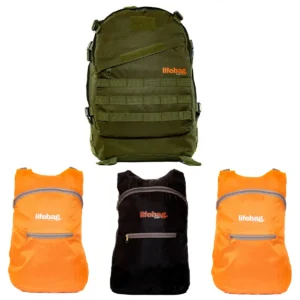
An emergency kit is a strong start — but equipment alone isn’t enough. In real emergencies, planning and information matter just as much.
Here’s what to do in addition to having a kit, so you can act quickly and calmly.
Agree on a Simple Plan
Talk with the people you live with and agree in advance where you will meet if you can’t get home, who picks up children if schools close, and how you will reconnect if mobile networks fail. Choose one contact person outside your area and write this down.
Know How Your Home Works Without Power
Many Dutch homes depend on electricity for heating controls, water pressure, gates, and garage doors.
Make sure you know how to open doors manually and how to shut off gas, water, and electricity if needed. In apartment buildings, assume lifts won’t work and water pressure may drop.
Keep Essential Information on Paper
If phones or the internet don’t work, printed information becomes essential.
Prepare a simple document with names, BSN numbers, blood type (if known), allergies, medication, and emergency contacts, including your GP and pharmacy. Store it in a waterproof folder near your emergency kit.
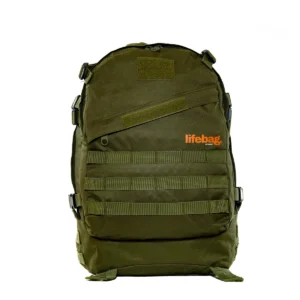
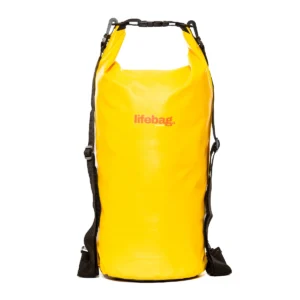
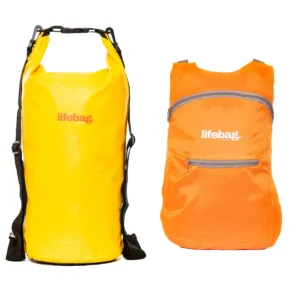
LifeBag is designed with dedicated space for personal documents and belongings, and the waterproof backpack helps protect them if conditions are wet or chaotic.
Store Grab-and-Go Items Next to Your Kit
Some items should be kept next to your emergency kit so you can leave quickly if needed. These include passports or ID, spare house and car keys, cash, daily medication, glasses, and power banks.
Because LifeBag leaves room for your own items, many of these essentials can be stored directly in the bag, ready to grab.
Know Where Information Comes From
In the Netherlands, official emergency information comes via NL-Alert, emergency sirens, and regional emergency radio stations. Look up your local radio frequency and print it.
Also print important numbers such as 112 and 0800-1351 (the national public information line during major crises).
Coordinate With Neighbours
Preparedness works better together. A simple neighbours’ WhatsApp group helps share information, check on each other, and support vulnerable people during outages — especially in dense Dutch neighbourhoods.
Preparedness Is More Than Equipment
An emergency kit helps you get through the first 72 hours. Planning helps you use those hours well.
When plans are agreed, information is printed, and essentials are stored together, you don’t have to improvise when systems fail.