In the Netherlands, the advice is clear: during a major disruption, you should be able to manage on your own for at least 72 hours. Not because help won’t come, but because emergency services must first focus on the most urgent situations.
Putting together an emergency kit doesn’t need to be complicated. But it does require thinking beyond the obvious.
The Basics Everyone Thinks Of
Most people start in the same place. Water and non-perishable food, a flashlight, a basic first-aid kit, and a radio to receive official information. These essentials form the backbone of any emergency kit and are a good starting point.
But real emergencies rarely stay “basic” for long.
The Things That Are Often Missed
What’s most often forgotten isn’t dramatic survival gear, but everyday items that suddenly become essential when normal systems stop working. Power for communication, for example. Phones may still work for a while, but without electricity they quickly become useless. Having a way to recharge your phone, charging cables, or a radio that works without mains power can make a big difference in staying informed and calm.
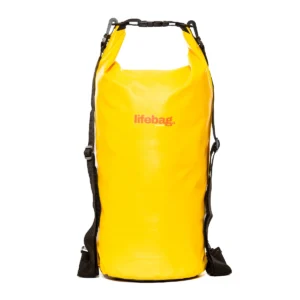
Documents and money are another common oversight. In a country where digital payments are the norm, people often forget that card terminals and ATMs may stop working. Physical cash, copies of ID and insurance papers, and a waterproof folder to store them can prevent unnecessary stress when systems are down. Along the same lines, printed emergency contacts, important addresses, and even a simple paper map are easy to overlook until the internet or GPS is no longer available.
Then there are the personal details that no standard checklist can fully cover. Prescription medication, glasses or contact lenses, spare house or car keys, baby or pet supplies, and extra warm clothing are all things people assume they’ll remember — until they don’t. These small, personal items are often the hardest to replace once a disruption has already started.
Why “One Kit Per Person” Often Doesn’t Work
Many people try to prepare by buying identical kits for every family member. In practice, this often leads to unnecessary duplication — multiple radios, multiple tools, extra weight and higher costs — while still leaving little room for personal items.
What households actually need is shared core equipment, combined with flexible additions for extra people.
A More Practical Way to Prepare
That’s why LifeBag is built as a modular system.
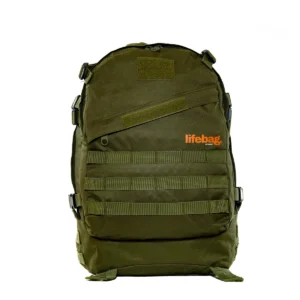
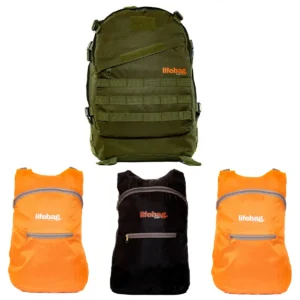
Each LifeBag comes in a convenient, easy-to-grab backpack that contains the essential tools, food, water, lighting, and information needed for the first 72 hours — while still leaving space for your own clothes, documents, and personal essentials.
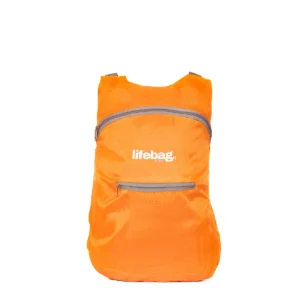
Instead of buying duplicate gear, Booster Packs allow you to expand your kit with additional supplies for family members without repeating heavy tools or electronics. It’s a calmer, more efficient way to prepare — and easier to store, maintain, and trust.
Prepared Feels Calm
Emergency preparedness isn’t about fear or worst-case thinking. It’s about knowing that if something unexpected happens, you don’t have to improvise.
When the basics are already taken care of, you gain time, clarity, and peace of mind — exactly when it matters most.