When you’re facing an emergency—whether it’s an earthquake, flood, or a rapid evacuation—having access to essential documents can make the difference between chaos and order. A well-prepared emergency backpack should contain not only food and equipment, but also vital paperwork that can help you rebuild your life after a disaster.
Below is a checklist of documents you should include, stored securely and preferably in waterproof pouches.
1. Identity Documents
ID card or passport: Copies of your identification documents (and those of your family members) are essential for proving who you are when relocating or dealing with authorities.
Birth certificates: Include copies of birth certificates for yourself and your children. These may be required to access services or replace other lost documents.
Driver’s licence: Useful if you need to drive or confirm your identity.
2. Property Documents
Home ownership or rental contract: A copy of your property deed or rental agreement can help prove your address.
Vehicle ownership papers: If you own a vehicle, this document helps confirm legal ownership.
3. Insurance Policies
Home insurance: A copy can speed up compensation claims after a disaster.
Health insurance: Essential for accessing medical services when needed.
Car insurance: Useful if you need to travel by car.
4. Medical Documents
Prescriptions or treatment information: If you are on medication, keep details or copies of prescriptions.
Health insurance card: Ensures access to medical care.
Medical history: Information about allergies, chronic conditions, and past surgeries.
Vaccination records: Especially important for children or during health checks.
5. Financial Information
Bank statements or cards: A list of bank account numbers and copies of cards (front and back) can help you access funds.
Cash: Keep a small amount of cash, as ATMs may be unavailable.
6. Emergency Contacts
A printed list of phone numbers for family members, friends, doctors, and authorities. Phones can run out of battery—paper is a reliable backup.
7. Wills and Legal Authorisations
If you have a will or power of attorney, a copy can be crucial for protecting your interests or those of your family.
8. Personal Photographs
A few photos of family members or valuable items can help identify missing persons or document losses for insurance purposes.
9. Specific Instructions
Add a note with short instructions such as emergency contact numbers, a pre-agreed meeting address, or details about pets (for example, microchip numbers).
Practical Tips
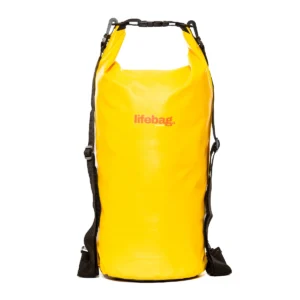
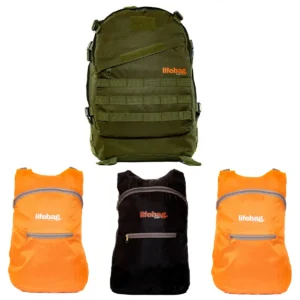
- Keep everything organised: Use the waterproof zip pouches included in all LifeBag models to protect documents from water and dirt.
- Make digital copies: Scan your documents and save them on a USB drive or in the cloud, but always keep physical copies as well.
- Update regularly: Review your documents once a year and replace expired items.
In an emergency, time is limited, and having these documents readily available can greatly simplify recovery. Prepare your emergency backpack using this checklist, and you’ll have a crucial advantage when facing the unexpected.