The Netherlands is highly organised, digital, and densely populated. That efficiency also creates vulnerabilities. When something goes wrong, daily life can be disrupted quickly.
Emergency preparedness here isn’t about wilderness survival. It’s about staying functional when systems temporarily stop working.
What Emergencies Matter in the Netherlands?
Flooding remains a real risk due to the low-lying landscape, rivers, and proximity to the sea. Power outages — caused by storms, heatwaves, or technical failures — can affect heating, water pressure, lifts, and mobile networks, especially in apartment buildings.
The Netherlands is also highly digital. Cyber incidents can disrupt payments, communication, and access to information. Industrial zones, ports, and transport corridors increase the risk of chemical incidents, where staying indoors and following official instructions is critical.
Dutch Lifestyle: Strengths and Weak Points
Daily life relies heavily on electricity and digital services. Payments are mostly cashless, navigation depends on mobile networks, and information flows through apps.
Cycling is an advantage in emergencies — bikes don’t need fuel and can bypass traffic — but flooding, strong winds, or debris can limit mobility. Preparedness often means assuming you may need to stay home longer than expected, rather than evacuate far.
What a Dutch Emergency Kit Should Cover
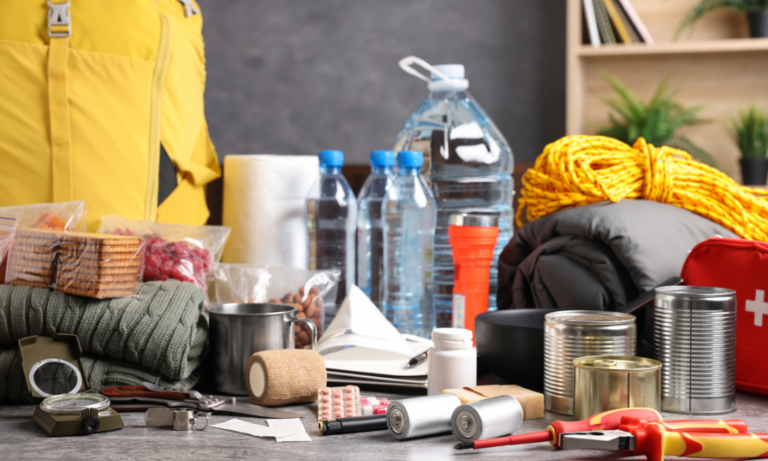
A Dutch emergency kit (noodpakket) should support daily life without electricity or internet. This includes water, food, lighting, a radio for official updates, basic medical and hygiene supplies, warmth, and simple tools.
Because the Netherlands is largely cashless, physical cash is important. Personal items such as medication, glasses, spare keys, baby or pet supplies, and copies of documents stored in a waterproof folder are often overlooked but essential.
How You Get Information
In emergencies, information may not come through apps or social media. The Netherlands relies on NL-Alert, emergency sirens, and regional emergency radio stations. A radio that works without mains power remains essential.
Preparedness That Fits Dutch Reality
Most Dutch homes have limited storage and are close to neighbours. Emergency kits should be compact, waterproof, and easy to grab, ideally stored near an exit.
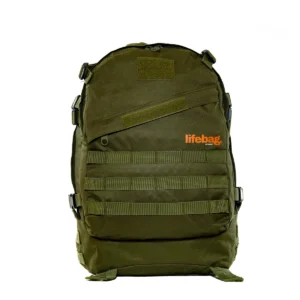
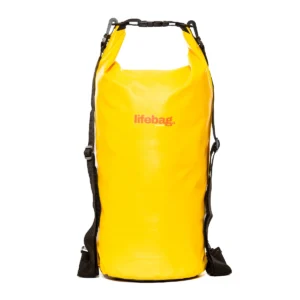
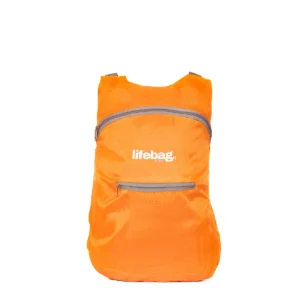
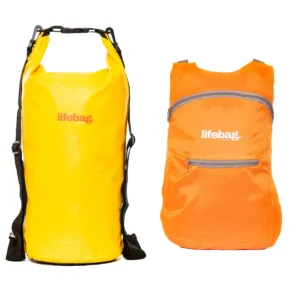
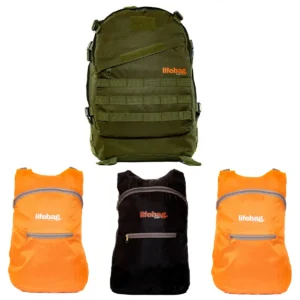
LifeBag follows this approach: a complete 72-hour foundation in one waterproof backpack, space for personal items, and modular Booster Packs that allow households to prepare without unnecessary duplication.
Preparedness in the Netherlands is about being realistic, calm, and ready — not about extremes.