This is a practical, Netherlands-specific checklist covering what to take, what to prepare, and what information to have ready so you can act quickly during an emergency.
✅ What to Take (Your Emergency Kit)
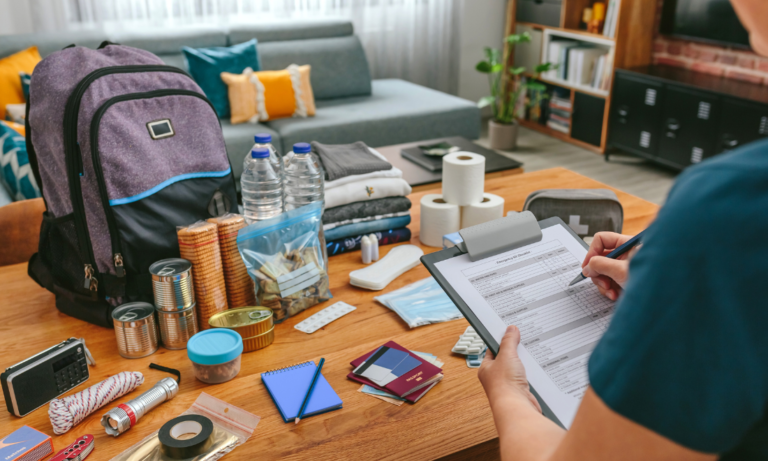
Dutch authorities recommend being able to manage independently for at least 72 hours.
The core items below are already included in LifeBag and are designed to align with Dutch government emergency guidelines.
- Drinking water and safe water solution
- Non-perishable food for 72 hours
- Flashlight / torch (works without mains power)
- Emergency radio (battery / crank / solar)
- First-aid kit with instructions
- Hygiene items
- Thermal and rain protection
- Basic tools and whistle
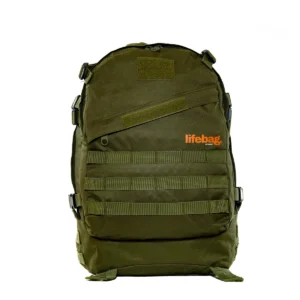
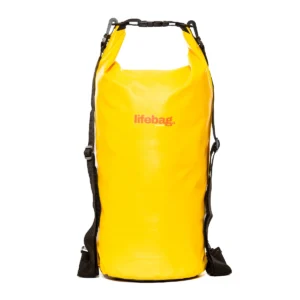
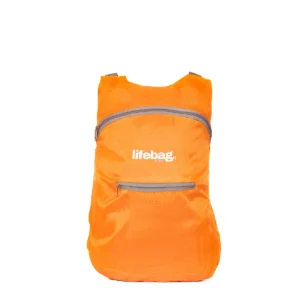
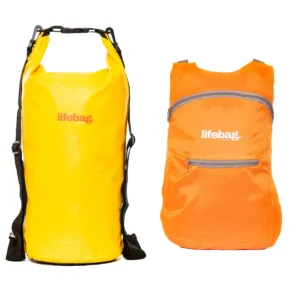
LifeBag comes in a waterproof backpack and is intentionally designed to still leave space for your own personal belongings, clothing, and documents.
✅ LifeBag Booster Packs (For Households & Families)
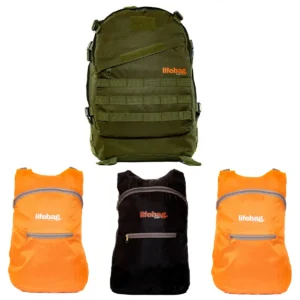
Instead of buying duplicate emergency kits for each person, LifeBag uses Booster Packs.
- Add extra food and water for additional people
- Add hygiene or warmth for family members
- Expand capacity without duplicating radios, tools, or flashlights
Booster Packs make it easier and more cost-effective to prepare for shared households, while keeping everything stored together in one place.
✅ What to Add Personally
These items depend on your household and should be stored inside or directly next to your emergency kit.
- Passport or ID cards
- Copies of important documents
- Physical cash (small bills)
- Prescription medication
- Glasses or contact lenses
- Spare house and car keys
- Baby or pet supplies
- Basic clothing essentials
Store documents and paper items in a waterproof folder.
✅ What to Do Before an Emergency
Do these steps once — and write them down.
- Agree on a meeting point if you can’t get home
- Choose an out-of-area contact person
- Decide who picks up children if schools close
- Learn how to shut off gas, water, and electricity
- Know how doors, gates, and garages work without power
- Create or join a neighbours’ WhatsApp group
- Note which neighbours have useful skills (for example: medical training, first aid, tools, generators)
✅ Information You Should Print
Do not rely only on your phone.
- Personal info sheet with:
- Full names & dates of birth
- BSN numbers
- Blood type (if known)
- Allergies and medical conditions
- Medication list
- GP and pharmacy details
- Emergency contacts list
- Home and meeting addresses
- Simple local paper map
- Regional emergency radio frequency
Keep all printed information with your emergency kit.
✅ Emergency Numbers in the Netherlands
Print and store these numbers:
- 112 – Emergency services
- 0800-1351 – National public information line during major crises
- Your municipality’s emergency contact page
- GP, pharmacy, nearest hospital
✅ How You’ll Receive Information
Make sure you know and can access:
- NL-Alert on your phone
- What emergency sirens mean (go inside, close windows, follow instructions)
- Your regional emergency radio station
Final Check
- Kit stored in one accessible place
- Waterproof and protected from heat
- Plans written down
- Neighbours connected and roles clear
- Booster Packs added if your household is larger than one person
If you can grab your kit, know what to do, and know where information comes from, you are prepared.