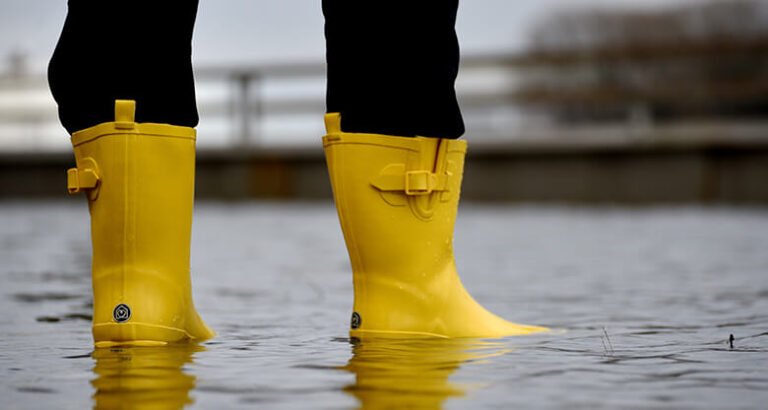
Flooding is one of the most realistic emergency risks in the Netherlands. Large parts of the country lie below sea level, and rivers such as the Rhine (Rijn), Meuse (Maas), Waal, and IJssel, combined with heavy rainfall, storm surges, and saturated soil, can lead to flooding with little warning.
Climate change has increased the frequency of extreme weather events, while dense urban development and reliance on infrastructure mean that preparation is essential. Whether you live in a low-lying polder, near a river, or along the coast, a clear plan and a survival kit like LifeBag can make a critical difference.
Here’s what you need to know to stay safe during floods in the Netherlands.
Why Flooding Is a Real Risk in the Netherlands
The Netherlands is protected by dikes, dams, and water management systems, but no system is risk-free. Prolonged rainfall, river overflow, coastal storms, or dike failures can quickly overwhelm local defences.
Urban flooding can also occur when drainage systems are overloaded, especially in cities and apartment areas. Power outages, transport disruptions, and contaminated water often follow.
Preparedness is not about fear—it’s about realism.
1. Before a Flood: Prepare in Advance
Flood survival starts long before water reaches your door.
- Know your risk: Check local flood risk and water levels via Rijkswaterstaat or your regional water authority, and follow weather alerts from KNMI.
- Make an evacuation plan: Identify routes to higher ground and agree on meeting points with your household. Make sure everyone knows where your LifeBag is stored.
- Protect documents: Keep copies of IDs, insurance papers, and medical information in waterproof pouches.
- Store valuables higher: Move important items off the floor and away from basements.
- Check drainage: Ensure drains and gutters around your home are clear.
- Consider flood insurance: Not all standard home insurance policies cover flood damage.
- Be ready to stay inside: Many Dutch flood scenarios involve sheltering in place rather than evacuation.
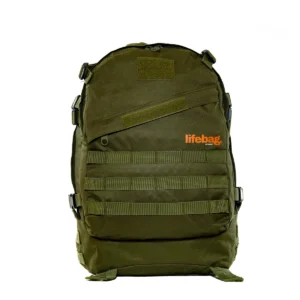
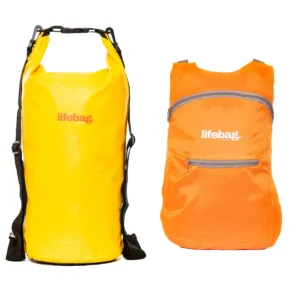
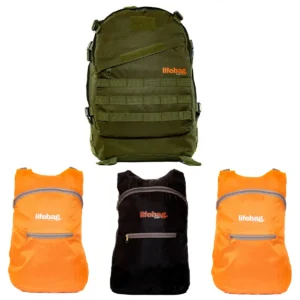
A LifeBag (Basic, Plus, or Booster) contains essential supplies for the first 72 hours, giving you time and flexibility in fast-changing situations.
2. During a Flood: Act Quickly and Safely
When flooding occurs, decisions must be made fast.
- Follow official instructions: If authorities advise evacuation, take your LifeBag and leave immediately using recommended routes.
- Move to higher levels: If evacuation isn’t possible, go to upper floors. Avoid basements completely.
- Avoid floodwater: Floodwater can be contaminated and dangerous. Even shallow moving water can knock you over.
- Turn off utilities (if safe): Shut off electricity, gas, and water if instructed and if it can be done safely.
- Stay informed: Use the radio in your LifeBag to follow official updates if mobile networks or the internet fail.
- Signal for help: If trapped, move to a visible high point and use a flashlight, whistle, or reflective items to signal rescuers.
3. After a Flood: Recover Safely
The danger doesn’t end when the water recedes.
- Wait for official clearance: Do not return home until authorities say it’s safe.
- Inspect carefully: Check for structural damage before entering buildings.
- Avoid electricity: Do not restore power until professionals confirm it’s safe.
- Discard contaminated food: Anything that touched floodwater must be thrown away.
- Check drinking water: Use bottled or treated water until authorities confirm tap water is safe.
- Watch your health: Clean cuts immediately and seek medical help if signs of infection appear.
- Clean safely: Use gloves and masks when cleaning mud or mould. Ventilate thoroughly.
Why LifeBag Helps in Flood Situations
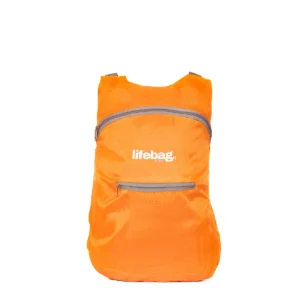
Whether you choose LifeBag Basic, Plus, or Booster, each version is designed to support you through the critical first days of an emergency.
LifeBag provides:
- Supplies for 72 hours
- Protection against cold, wet conditions
- Reliable communication tools
- Space for personal documents and essentials
- Modular Booster Packs for households and families
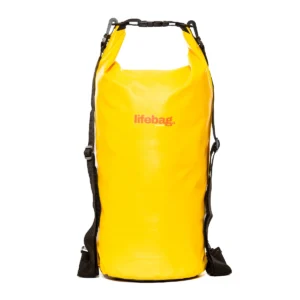
Floods often unfold quickly—having everything ready in one waterproof backpack removes guesswork when time matters.
Useful Emergency Information (Netherlands)
- 112 – Emergency services
- 0800-1351 – National public information number during major crises
- Follow instructions from local authorities and regional water boards
Final Note
Flood preparedness in the Netherlands is not optional—it’s part of living in a low-lying country. With a clear plan, awareness of local risks, and a ready LifeBag stored in an accessible place, you give yourself the best chance to stay safe.
Be prepared. Stay informed. Stay safe.