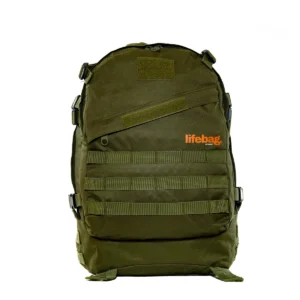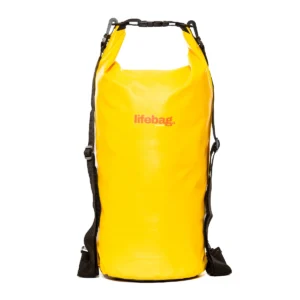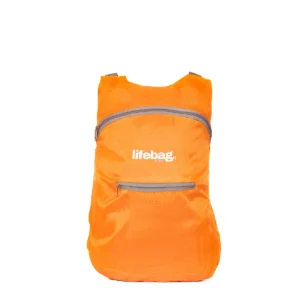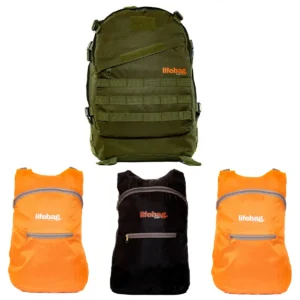
In an unpredictable world, preparing for an emergency—whether it’s an earthquake, a flood, or a prolonged power outage—can make the difference between safety and panic. Romania faces a range of natural and technical risks, and a well-prepared emergency plan, together with a backpack like LifeBag, gives you peace of mind and the ability to act quickly.
Here are 10 essential steps to help you prepare your home and family for any critical situation.
Each region of Romania has its own risks. Earthquakes are a real threat, especially in areas such as Vrancea and Bucharest. Flooding frequently affects counties like Galați, Tulcea, and Timiș, while wildfires can occur in the south and west of the country during periods of drought. Power outages caused by storms or overloaded grids are also common.
Understanding local risks helps you prepare effectively and keep the right equipment—such as a LifeBag—within reach.
Choose a place where your family can reunite in case of evacuation—this could be in front of your home, at a trusted neighbour’s house, or in a safe public space such as a nearby school. Make sure the location is accessible regardless of weather conditions or the type of emergency, and that all family members know it.
Write down phone numbers for relatives, friends, and authorities—112, firefighters, police, and ambulance services. Keep the list in a safe, easy-to-find place, ideally inside your LifeBag together with other essential documents. In emergencies, fast communication can save lives.
Draw a simple map of your home and identify at least two exits from each room—doors, windows, or fire escapes. Practice these routes with your family, including in the dark, to ensure everyone knows what to do under pressure.
Placing your LifeBag near an exit allows you to grab it quickly on your way to safety.
An emergency backpack like LifeBag is essential for surviving the first 72 hours of a crisis. It includes water, non-perishable food, a flashlight, radio, first aid kit, and other vital tools.
Unlike improvised kits, LifeBag is compact, organised, and ready to use—whether you need to evacuate or remain at home during a power outage or disaster.
Copies of identity documents, property records, insurance policies, and other essential papers should be stored in waterproof pouches, ideally in the dedicated compartment of your LifeBag. During a rapid evacuation—such as a fire or flood—you won’t have time to search through drawers. Preparation makes all the difference.
A first aid course or even online tutorials can teach you how to handle minor injuries, burns, or fractures. LifeBag Basic, Plus, and Booster all include essential medical kits, but your knowledge will maximise their usefulness. In a crisis, every second counts.
Give each family member specific responsibilities: who grabs the LifeBag, who shuts off gas or electricity, who takes care of children or pets. An organised evacuation saves precious time and reduces chaos, especially during earthquakes or fires.
A plan on paper is useless if it doesn’t work in real life. Run drills every 3–6 months—time your evacuation and adjust details as needed. Also check how accessible your LifeBag is: is it stored in a visible, easy-to-grab place such as near the door or in the hallway?
Practice turns preparation into instinct.
Check your LifeBag supplies every six months. Replace expired water, food, or batteries, and adapt the contents to your family’s needs (for example, new medication or equipment for a child). An up-to-date emergency plan is key to handling unexpected situations.
In Romania, emergencies can happen at any time—a magnitude 6 earthquake, floods blocking roads, or a power outage leaving you without light or heating. Without a plan, impulsive reactions can make things worse.
A LifeBag equips you to survive and adapt, whether you need to evacuate quickly or remain isolated at home. Stored in an accessible place—such as a hallway cupboard or under the bed—it becomes a reliable ally.
Invest time and effort now to protect your family later. With a well-structured plan and a ready LifeBag, you can stay in control even in the most difficult moments.
Safety starts with small but essential steps—start today.