Heatwaves are no longer a rare event in the Netherlands. Long spells of hot days and warm nights put real strain on the body, especially in cities where stone and asphalt keep radiating heat after sunset. Unlike an earthquake or a fire, a heatwave can usually be seen coming days in advance, which gives you time to prepare.
This guide explains how to prepare, what to do while the heat lasts, how to recognise heat illness, and which items from your emergency kit help the most.
1. Before the Heat Arrives
- Follow the warnings. Check KNMI weather warnings and the national heat plan updates from RIVM, and keep NL-Alert switched on on your phone.
- Prepare your home. Fit curtains, blinds or reflective foil on sun-facing windows and decide which room stays coolest.
- Stock enough water. Plan for at least 2 litres per person per day, and more in extreme heat. Keep a few bottles in the fridge.
- Plan cooler places. Know where you can go if your home gets too hot: a library, a shopping centre, a shaded park.
- Check your first aid supplies. Keep oral rehydration salts, a thermometer and a basic first aid kit within reach.
- Agree who checks on whom. Arrange to look in on older neighbours and relatives living alone.
2. During a Heatwave: Keep Cool and Hydrated
- Drink regularly, before you feel thirsty. Water is best. Avoid alcohol and large amounts of sugary drinks.
- Keep the heat out. Close curtains and blinds on the sunny side during the day. Open windows only at night and in the early morning, when it is cooler outside.
- Limit effort at midday. Move heavy tasks, sport and errands to early morning or evening.
- Cool your body. Take a lukewarm or cool shower, and place a damp cloth on your neck and wrists.
- Dress for it. Wear light, loose clothing, a hat and sunscreen outdoors.
- Never leave children or pets in a parked car, not even for a few minutes.
- Check on others at least twice a day.
3. Recognise Heat Illness
Heat exhaustion: heavy sweating, weakness, dizziness, headache, nausea or muscle cramps. Move to a cool place, lie down, sip water and cool the skin with damp cloths. If symptoms do not improve within about half an hour, contact your GP or the out-of-hours GP service.
Heat stroke is an emergency. Confusion, fainting, a very high body temperature (around 40 °C or more), seizures or unresponsiveness mean you should call 112 straight away. While you wait, move the person to a cool place and cool them actively with wet cloths and fanning.
4. Who Needs Extra Care
- Older adults, babies and small children
- People with heart, lung or kidney conditions, and people on medication that affects fluid balance (ask your GP or pharmacist)
- Pregnant women
- People who live alone or have limited mobility
- Pets, who also need shade, fresh water and shorter walks
5. What in Your Emergency Kit Helps
- Drinking water. Sealed water and a water filter straw keep you drinking safely if supply is interrupted.
- Wet wipes. A quick way to cool the neck, face and wrists.
- Thermal foil blanket. Can be used to create shade or to shield a window.
- Radio. Keeps you informed if mobile networks are overloaded or the power fails.
- First aid kit. For treating minor heat-related problems and injuries.
Why Choose LifeBag?
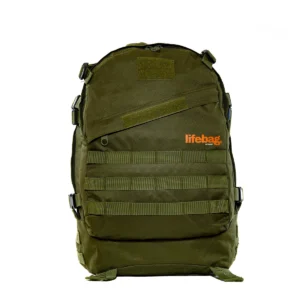
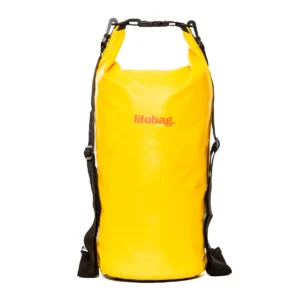
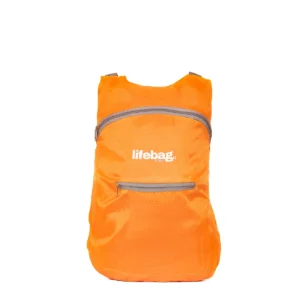
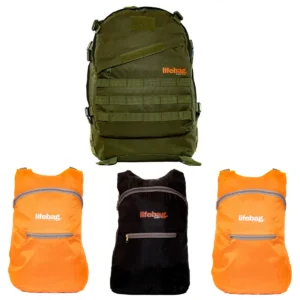
Heat is only one of the situations your household may face. A LifeBag keeps water, food, light, first aid and communication gear together in one bag, ready for the first 72 hours of any emergency. Choose the Booster, Basic or Plus depending on how many people you are preparing for.
This guide is general information, not medical advice. In an emergency, call 112.