In a storm, a large power cut or a major incident, mobile networks and the internet are often the first things to become overloaded or to fail. Suddenly you cannot call your partner, check on your children or find out what is happening.
The solution is a simple family communication plan that works even when your phone does not. This guide shows how to build one.
1. Agree a Plan Before You Need It
- Choose a contact person outside your area, such as a relative in another city. Everyone reports to them, and they pass the news on.
- Agree two meeting points: one close to home, and one in your neighbourhood or town if you cannot return home.
- Decide what each person does if a child is at school or a parent is at work.
- Write numbers on paper. Keep a printed card with key contact numbers in every bag, as your phone's address book will be no use with an empty battery.
2. Get the Most From Your Phone
- Send a text instead of calling. Short text messages often get through when voice calls cannot, and use far less network capacity.
- Keep messages short and specific: who you are, where you are and whether you are safe.
- Switch on NL-Alert in your phone settings. It reaches you through the mobile network without needing internet.
- Save battery. Lower the screen brightness, close apps and use low-power mode. Switch the phone off between check-ins.
- Call 112 for emergencies. Emergency calls can often connect through any available network, even when your own provider has no coverage.
- Download offline maps of your area in advance.
3. Receive Information Without a Network
A battery or wind-up radio is the most reliable way to get official information when the internet is down. Tune in to local radio and your regional public broadcaster, and test your radio at least twice a year. Keep spare batteries together with it.
4. Signalling Nearby
- Use a whistle (three short blasts is a widely recognised distress signal) if you are trapped or need to be found.
- Use a torch or glow stick to signal in the dark.
- Leave a written note at home with the time, where you went and who you are with, so family who arrive later know where to find you.
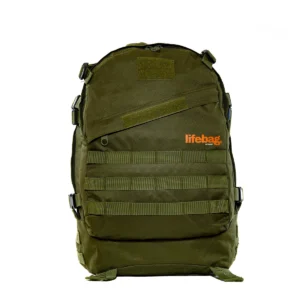
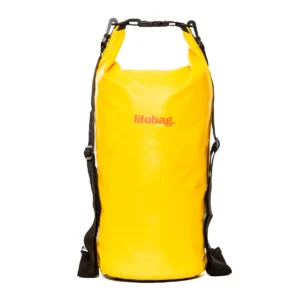
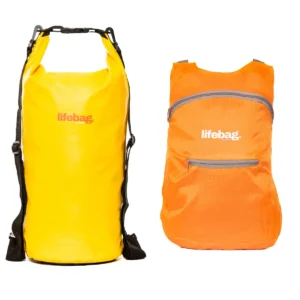
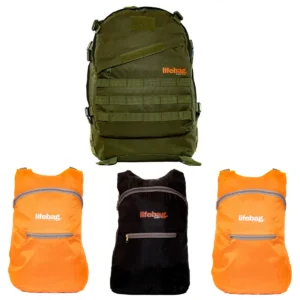
Why Choose LifeBag?
LifeBag kits include a whistle, torch and glow stick, and the Basic and Plus models include a battery-powered radio. The Plus radio can also be charged by hand crank or solar power, so you can keep listening when the power is out.