The Netherlands is not what most people think of as earthquake country, but the ground does move. Most quakes felt here are small, induced earthquakes linked to gas extraction in the north of the country, and there are occasional natural quakes elsewhere, such as the magnitude 5.8 earthquake near Roermond in 1992.
Most are minor, but they can still damage older buildings and frighten people. Knowing what to do takes the panic out of it.
1. Before an Earthquake
- Secure tall furniture, bookcases and heavy mirrors to the wall.
- Store heavy objects on low shelves, not above beds or sofas.
- Know where your gas, water and electricity shut-offs are and how to use them.
- Identify safe spots in each room: under a sturdy table, or against an interior wall away from windows.
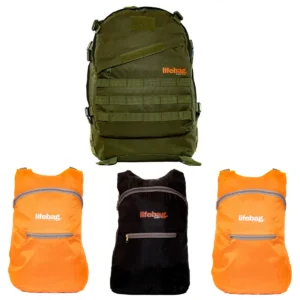
- Keep an emergency bag, torch and sturdy shoes next to the bed or the front door.
2. During the Shaking: Drop, Cover and Hold On
- Drop to your hands and knees.
- Cover your head and neck with your arms, and take shelter under a sturdy table if there is one.
- Hold on until the shaking stops.
- Stay away from windows, mirrors, hanging objects and tall furniture.
- Do not run outside during the shaking. Falling tiles and glass are the main danger.
- If you are outside, move to an open area away from buildings, trees, street lights and power lines.
- If you are in a car, stop in a safe place away from buildings and bridges and stay inside.
3. After the Shaking
- Check yourself and others for injuries. Give first aid and call 112 for serious injuries.
- If you smell gas or hear a hissing sound, open a window, turn off the supply if you can do so safely, leave the building and call from outside. Do not use switches or flames.
- Check for cracks in walls, chimneys and ceilings. If the building looks unsafe, leave.
- Expect aftershocks and be ready to drop, cover and hold on again.
- Use stairs, not lifts.
- Listen to the radio or NL-Alert for official information.
4. Reporting Damage
Take photos of any damage before cleaning up, and keep your insurance papers and contact numbers in your emergency bag. If the damage is linked to gas extraction, damage claims are handled through a separate government process, so check the official guidance for your region.
Why Choose LifeBag?
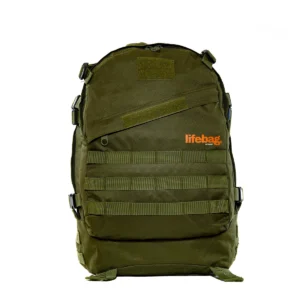
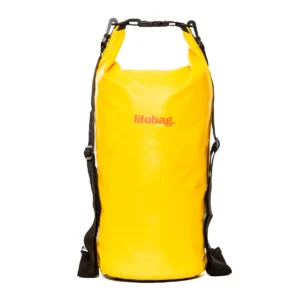
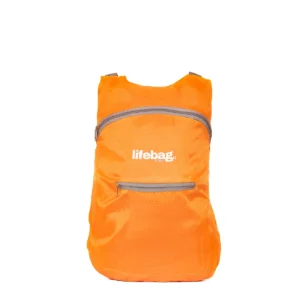
After a quake you may need to leave a damaged home, or stay in it without utilities. A LifeBag brings water, food, light, first aid and a radio in one bag that you can grab on the way out.