Conflict, cyber attacks and civil unrest feel far from everyday life in the Netherlands, yet governments across Europe now encourage households to be able to manage on their own for at least three days. The reason is practical: the same preparations help in every crisis, from a storm to a long power cut.
This guide is not about fear. It is a calm checklist for what to prepare, and how to stay safe if the situation around you becomes unstable.
1. What Realistically Goes Wrong
In most crises, the problem for ordinary households is not direct danger but disruption: power cuts, interrupted internet and mobile networks, closed shops, payment systems that stop working, and uncertainty about what is happening. If you can cope with that for 72 hours, you are already far better prepared.
2. Prepare Your Home
- Water and food for at least three days for every person and pet, ideally more.
- Light and warmth: torches, spare batteries, blankets and warm clothing.
- A battery or wind-up radio to follow official information when networks fail.
- Cash in small notes, because card payments and cash machines may not work.
- Medication and first aid for at least a week.
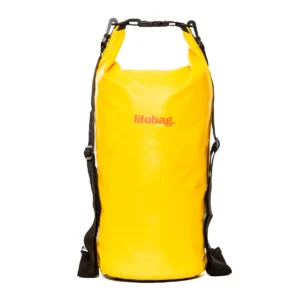
- Copies of key documents in a waterproof folder and on an encrypted USB stick.
- A full phone battery habit, and a charged power bank.
3. Stay Informed Responsibly
- Rely on official sources: the national government, your safety region, NL-Alert and public broadcasters.
- Be careful with rumours and unverified messages on social media, which spread fast in a crisis.
- Agree a family communication plan with a contact person and meeting points.
4. If There Is Unrest Near You
- Stay away from crowds, demonstrations and areas where tension is building.
- If you are caught in a crowd, move calmly towards the edge, keep your hands free and your bag in front of you.
- At home, lock doors, keep away from windows and keep lights low.
- Do not post your location or information about police or emergency services.
- Call 112 if you are in immediate danger.
5. Plan to Leave, Even If You Never Do
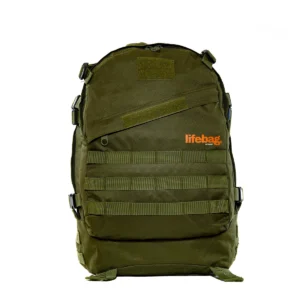
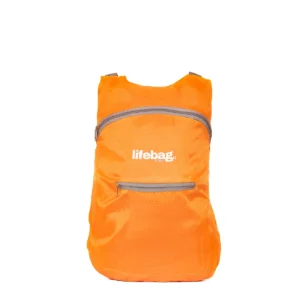
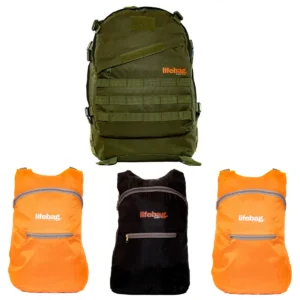
Decide in advance where you would go if you had to leave your area, which route you would take, and what you would carry. Keep your bag by the door, your car tank at least half full and your documents together. Having a plan reduces fear, and you may well never need it.
This guide is general preparedness information. Always follow instructions from the authorities.