When the heating stops, whether because of a power cut, a boiler failure or a gas outage, a Dutch home cools down faster than most people expect. The goal is to keep your body warm and to stay safe while you do it.
These practical steps work for a few hours or a few days.
1. Keep the Heat You Have
- Close doors and curtains, and block gaps under doors with towels.
- Pick one small room and live there, ideally one that is sunny and away from outside walls.
- Stay together, as shared body heat helps.
- Avoid opening windows or doors more than necessary.
2. Dress in Layers
- Wear several thin layers rather than one thick one.
- Cover your head, neck, hands and feet, where much of the heat escapes.
- Change out of damp clothing at once.
- Use blankets, a sleeping bag and a thermal foil blanket for extra warmth.
3. Eat, Drink and Move
- Eat regularly, as food helps your body produce heat.
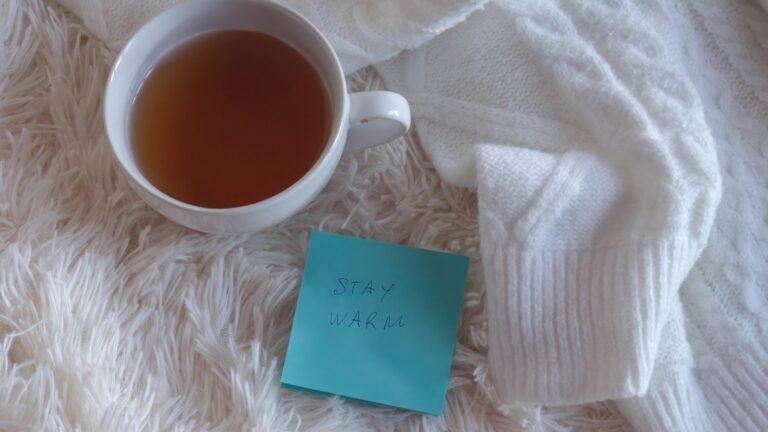
- Drink warm drinks if you can, and avoid alcohol.
- Move around gently every hour. Do not exercise to the point of sweating.
4. Heat Safely
- Never use a barbecue, camping stove or gas cooker to heat a room. They can cause carbon monoxide poisoning and fires.
- Do not use a generator indoors or in a garage.
- Keep candles away from curtains, never leave them unattended and put them out before you sleep.
- If you use any heater that burns fuel, make sure the room is ventilated and a carbon monoxide alarm is working.
5. Watch for Signs of Cold Stress
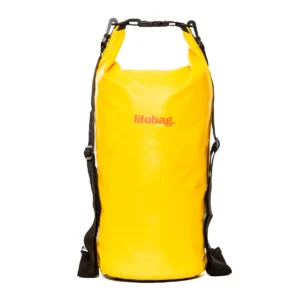
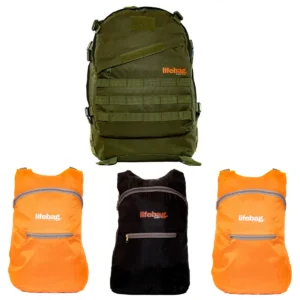
Shivering that will not stop, confusion, slurred speech, very cold skin or unusual drowsiness can be signs of hypothermia, especially in older people, babies and those who are ill. Warm the person gently, give warm drinks if they are awake and call 112 if you are worried. Every LifeBag includes a thermal foil blanket to help you hold on to body heat.
This guide is general information and not medical advice. In an emergency, call 112.