A new year is a natural moment to review your plans, and your emergency preparedness deserves a place on the list. Most of it takes an afternoon, and then you can forget about it until next year.
Use this checklist to check your home, your kit and your contacts in one go.
1. Check Your Emergency Kit
- Check the expiry dates of food rations, medication and batteries, and replace anything that is out of date.
- Make sure the flashlight and radio work, and test the batteries.
- Top up bottled water. The water sachets in a kit are only a small supplement.
- Check that clothing, blankets and documents are still the right size and complete.
2. Review Your Documents and Contacts
- Keep copies of IDs, insurance papers and important contracts in a waterproof pouch.
- Update the printed list of key phone numbers and addresses.
- Agree on a meeting point with your family, and a contact person outside your area.
- Make sure everyone knows how to call 112.
3. Walk Through Your Home
- Test your smoke alarms and, if you have one, your carbon monoxide detector.
- Know where the main water tap, gas valve and electricity fuse box are, and how to switch them off.
- Check that your fire extinguisher or fire blanket is within reach and in date.
- Keep escape routes clear.
4. Talk It Through as a Household
- Go through what each person does in a fire, a power cut or an evacuation.
- Include children, older relatives and pets in the plan.
- Decide who grabs the kit and who grabs the documents.
- Practise once, so the plan feels familiar if you ever need it.
5. Make It a Yearly Habit
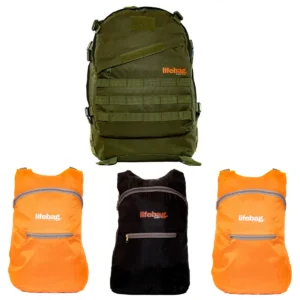
Put a reminder in your calendar for the same week each year. A short, regular check keeps your kit ready and your plan fresh. If you do not have a kit yet, a LifeBag keeps a flashlight, thermal foil, whistle and first aid together, with a radio in the Basic and Plus.
This checklist is general information. Adapt it to your own household and follow the instructions of the authorities.