Having an emergency kit is an important first step. Knowing where to store it is just as important.
In an emergency, you may be dealing with darkness, stress, or limited time. Your emergency kit should be somewhere you can reach quickly and without searching, even if the power is out.
Easy to Reach, Easy to Grab
Your emergency kit should be stored in a place you can access immediately. If you need to move furniture, climb, or unlock multiple doors, it’s not a good location.
Practical places are near the front door, in a hallway cupboard, or close to your main living area. Ideally, it’s somewhere you pass regularly and can reach within seconds.
Safe From Water and Heat
Flooding, leaking pipes, or firefighting water can damage supplies quickly. Store your kit off the floor and away from radiators, boilers, or direct sunlight.
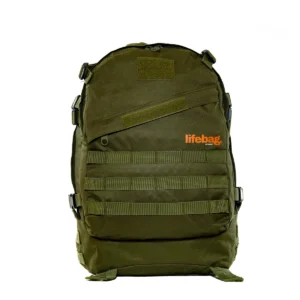
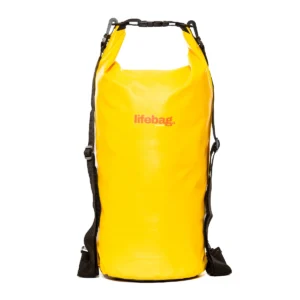
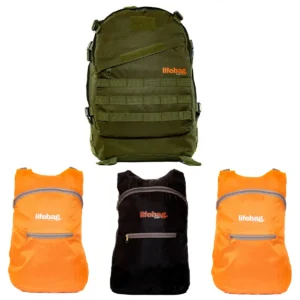
Using a waterproof backpack adds an important layer of protection, especially for documents, cash, and electronics. LifeBag is waterproof, so its contents remain protected even if water reaches your storage area.
Think About Evacuation
Some emergencies require staying inside, others require leaving quickly. Your kit should be easy to take with you if evacuation becomes necessary.
Storing it near an exit makes this easier, as long as it doesn’t block escape routes. A backpack is practical because it keeps your hands free and allows you to move comfortably if you need to walk.
One Main Kit, Smart Additions
For most households, it’s best to store one main emergency kit in a central location. Additional supplies for children, pets, or extra household members should be kept nearby.
This avoids confusion and unnecessary duplication. A modular setup makes it easier to add supplies without reorganizing everything or storing multiple bulky kits in different places.
Where Not to Store Your Emergency Kit
Some locations are simply impractical, even if they seem convenient.
Avoid storing your kit in the attic. It’s often hard to access, especially in a hurry or if stairs are unsafe.
Avoid the basement or cellar, as these are the first places to flood.
Avoid the garage, where temperature changes can damage food, batteries, and medical supplies.
Avoid places behind heavy storage, deep cupboards, or rooms that may be inaccessible during a fire or structural damage.
If you wouldn’t feel confident grabbing your kit quickly in the dark, it’s not stored in the right place.
Designed for Practical Storage
LifeBag is designed to fit naturally into everyday homes. The compact, easy-to-grab waterproof backpack works well in hallways, cupboards, or near an exit, while still leaving space inside for your own clothing, documents, and personal items.
Because Booster Packs expand capacity without duplicating heavy tools, everything stays together, organized, and easy to move when needed.
The Right Place Is the Practical One
There’s no perfect location for every home. The best place is one that is dry, accessible, and easy to reach under pressure.