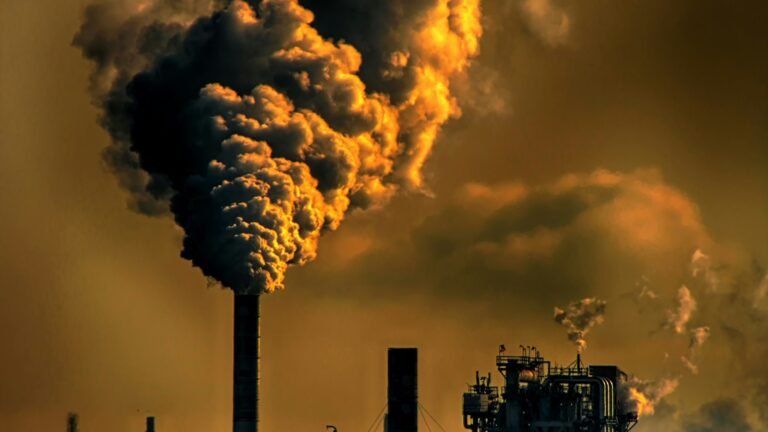
Earthquakes and floods get most of the attention, but a chemical accident or a large fire with a thick smoke cloud is a far more realistic risk for many Dutch households, especially near ports, industrial areas and major transport routes.
The good news is that the basic response is simple, and the same few steps work for most situations. This guide explains what to do and what to have ready.
1. How You Will Be Warned
In the Netherlands, warnings come through NL-Alert on your phone, the outdoor warning sirens, and local radio and television. The sirens are tested on the first Monday of every month at noon. If you hear them at any other time, go inside and look for information. Make sure NL-Alert is switched on in your phone settings.
2. The Basic Response: Go Inside, Close Up, Tune In
- Go inside immediately and bring children and pets with you.
- Close windows and doors and stay away from them.
- Switch off ventilation, air conditioning and extractor fans so that outside air is not pulled in.
- Tune in to local radio, television, NL-Alert or the website of your safety region for instructions.
- Do not go out to look or collect family members unless told to. Stay where you are until the all-clear is given.
3. If You Are Caught Outside
- Go into the nearest building and apply the steps above.
- If you cannot get indoors, move crosswind and away from the source of the smoke or fumes, and do not go downhill into low areas where gas can collect.
- Cover your nose and mouth with a damp cloth or a mask.
- If your eyes, nose or throat burn, rinse your eyes with clean water and wash exposed skin. Remove contaminated clothing and bag it.
- Call 112 if anyone has trouble breathing, chest pain or severe irritation.
4. Making One Room Safer
If the cloud is expected to last, choose an interior room with few windows. Tape gaps around windows and doors with tape, and put a wet towel along the bottom of the door. This is a supporting measure, so always follow the official instructions of the authorities in your area first.
5. After the All-Clear
- Wait for official confirmation that it is safe, then ventilate your home thoroughly.
- Follow RIVM and local authority advice about outdoor surfaces, play equipment and vegetables from the garden before touching or eating them.
- See your GP if you have symptoms that continue, especially coughing, breathing problems or eye and skin irritation.
6. What in Your Kit Helps
A battery or wind-up radio keeps you informed if the power fails. Tape, gloves, wipes, masks and drinking water are all useful if you have to stay indoors for hours. Note that dust masks (FFP2 and FFP3) filter fine particles such as smoke and dust. They do not stop all chemical gases, so they never replace staying indoors.
This guide is general information. In an emergency, always follow the instructions of the authorities and call 112.