In a power cut you may have no cooker, no microwave and a fridge that is slowly warming up. The best emergency food is food that keeps, needs no cooking and that your household will actually eat.
Here is what to store for 72 hours and how to manage it.
1. What Makes Good Emergency Food
- A long shelf life and no need for refrigeration.
- Ready to eat, or needing only cold water.
- Compact and light enough to carry.
- Familiar flavours, so that everyone, including children, will eat it.
- Suited to allergies and dietary needs in your household.
2. Ideas for a 72-Hour Menu
- Crackers, crispbread and rice cakes.
- Peanut butter, nut butters and jam.
- Tinned fish, beans and vegetables with ring-pull lids.
- Dried fruit, nuts and seeds.
- Energy bars and emergency rations.
- Chocolate or biscuits for morale.
- Baby food, formula and pet food if you need them.
3. How Much Do You Need?
- Around 2,000 calories a day is a common planning figure for an adult. Over 72 hours that is about 6,000.
- Children need less, but they need food more often.
- In cold weather or when you are physically active, you need more.
- Add a little extra. In an emergency, appetite and routines change.
4. Eat in the Right Order
- Start with fresh food from the fridge, as it spoils first.
- Move on to the freezer. A full freezer that stays closed keeps its contents cold for a day or two.
- Keep your long-life emergency food for last.
- When in doubt, throw it out. Do not take risks with food safety.
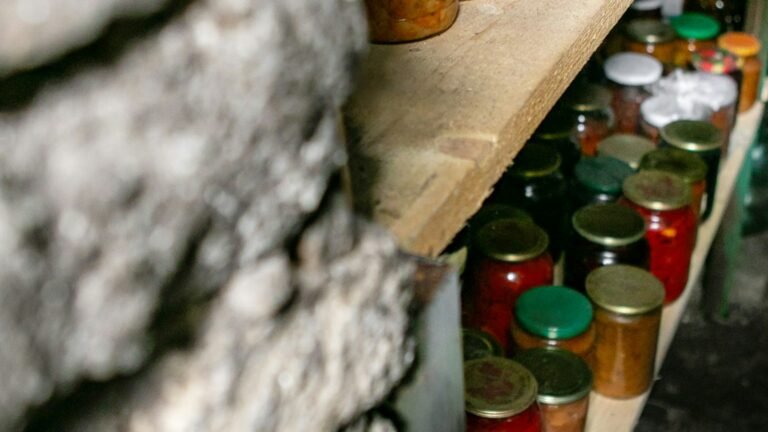
5. Store It and Rotate It
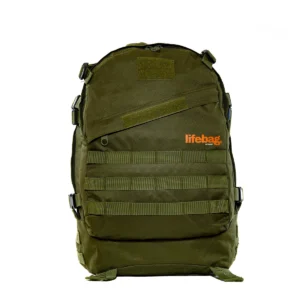
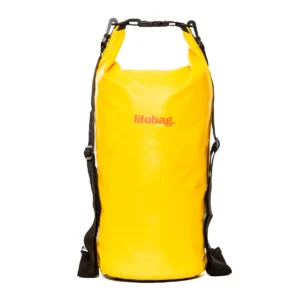
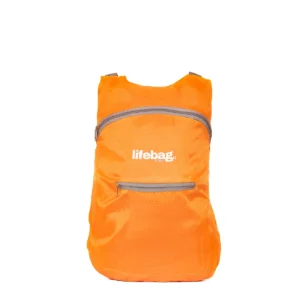
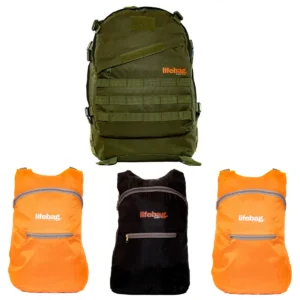
Keep emergency food in a cool, dry place and check it twice a year, for example when the clocks change. Eat what is about to expire and replace it. The rations in a LifeBag have a shelf life of around five years, but they cover the basics, so add food your household likes.
This guide is general information and not dietary or medical advice.