Living in an apartment has its own emergency challenges: lifts stop working, water pressure can drop on the upper floors, storage space is limited and an incident in one flat can affect the whole building.
A small space does not stop you from being prepared. It just calls for a compact plan.
1. Know Your Building
- Find the stairwells, fire exits and the assembly point outside.
- Know where the main shut-offs for gas, water and electricity are, and who is responsible for them.
- Read the building's fire and evacuation instructions.
- Get to know your neighbours, especially those who may need help.
2. Expect the Lift to Stop
- Never use the lift during a fire or after an earthquake.
- Think about how you or a relative would get down several floors with a bag or a child.
- If you live high up, keep a small supply of water and food ready, because carrying supplies upstairs is hard during an outage.
3. Store Smart
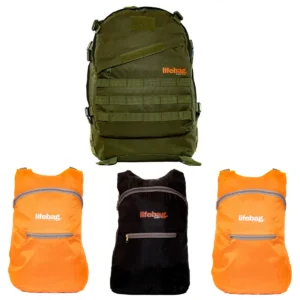
- Choose a compact, grab-and-go bag that fits in a hallway cupboard or by the front door.
- Use the space under the bed or on top of wardrobes for water and food, and rotate them.
- Keep the bag where it will not block an escape route.
4. Plan for Outages and Noise
- Keep a torch in every room and a battery radio you can reach in the dark.
- Keep a power bank charged for phones.
- Remember that electric cooking, internet and the lift may all be unavailable at once.
- Keep a printed list of key phone numbers, since phones may run out of battery.
5. Work With Your Neighbours
In a block of flats, neighbours are your first line of help. A simple building chat group, a list of who has first aid skills, tools or a car, and an agreed meeting point make a real difference. A LifeBag Basic is compact enough for a hallway cupboard, and a Booster can add extra supplies to your kit.
This guide is general information. Follow the instructions of the building manager and the emergency services.