Water is the most important item in any emergency kit. You can survive for weeks without food, but only a few days without water, and during a power cut or contamination incident your tap water may stop or become unsafe.
Here is how much to store, how to store it and what to do if you run out.
1. How Much Do You Need?
- Plan at least 2 litres per person per day for drinking alone.
- Add extra for cooking and basic hygiene. Around 3 litres per person per day is a sensible target.
- For 72 hours, that means at least 6 litres of drinking water per person, and more for children, pregnant women, hot weather or illness.
- Do not forget water for pets.
2. How to Store It
- Use sealed commercial bottles or clean, food-grade containers.
- Keep them in a cool, dark place away from chemicals and direct sunlight.
- Write the date on containers you fill yourself and replace the water every six months.
- Check the best-before date on bought bottles and rotate them.
3. If Tap Water Stops or Is Unsafe
- Follow instructions from your water company and your municipality.
- If you are told to boil water, bring it to a rolling boil for at least one minute and let it cool.
- Water from a clean toilet cistern or water heater tank can be used for washing and flushing, not for drinking.
- Never drink floodwater or water you suspect is chemically contaminated.
4. Filtering and Purifying
- Boiling kills most germs but does not remove chemicals.
- A water filter straw removes bacteria and parasites from rivers, lakes and stagnant water, but not salt, chemicals or heavy metals.
- If you use purification tablets, follow the instructions on the packet exactly.
5. Make It Last
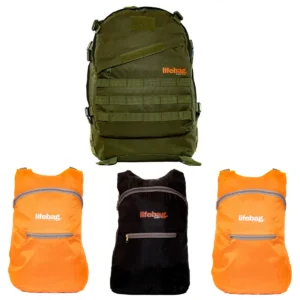
Sip regularly rather than waiting until you are thirsty, use wet wipes for hygiene and keep every container sealed. The sealed water sachets in a LifeBag give you a start and LifeBag Plus includes a filter straw, but most households should add bottled water to cover 72 hours.
This guide is general information. In case of doubt about water safety, follow instructions from your water company and the authorities.