Dutch winters are usually mild, but cold snaps do happen. A few days of hard frost can freeze pipes, make pavements dangerously slippery and put extra strain on the energy grid.
This guide explains how to prepare your home and what to do if the cold arrives.
1. Protect Your Pipes
- Insulate exposed pipes in lofts, garages, crawl spaces and outside walls.
- Disconnect garden hoses and drain outdoor taps.
- Keep heating on at a low level if you are away, rather than switching it off completely.
- Open cupboard doors under sinks on very cold nights so warm air can reach the pipes.
2. If a Pipe Freezes
- Turn off the water at the main tap.
- Open the tap and thaw the pipe gently with warm air, for example from a hairdryer. Never use a flame.
- If a pipe has burst, turn off the water and electricity to the affected area and call a plumber.
- Check your home insurance for what is covered.
3. Walk and Cycle Safely on Ice
- Wear shoes with good grip, take small steps and keep your hands out of your pockets.
- Clear and grit your own pavement and steps.
- Avoid cycling on icy roads if you can, and leave extra distance when driving.
- Check on older neighbours before they need to go out.
4. Keep the House Warm Efficiently
- Close curtains at dusk and seal draughts around doors and windows.
- Heat the rooms you actually use.
- Bleed radiators if they are cold at the top.
- Have your boiler serviced before the cold season.
5. Be Ready for a Power Cut
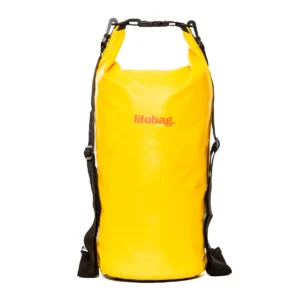
Cold weather can strain the energy grid, and storms and snow can bring down cables. Keep warm clothing, blankets, a torch, a battery radio and a charged power bank where you can reach them. A LifeBag keeps a flashlight, thermal foil and first aid together, with a radio in the Basic and Plus.
This guide is general information. Follow the instructions of the authorities and your utility company.