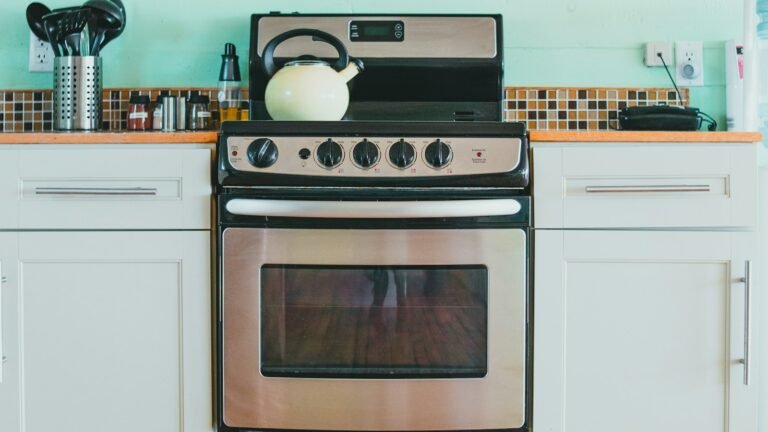
Almost every Dutch home is connected to the gas network, and in dense neighbourhoods an explosion in one building can endanger the whole block. Gas incidents are rare, but when they happen the first minutes decide the outcome.
This guide explains how to recognise a leak, what to do at once, and how to evacuate a building safely.
1. Recognise the Warning Signs
- A smell of rotten eggs or sulphur. Natural gas has no smell of its own, so a smell is added to make leaks noticeable.
- A hissing or whistling sound near a pipe, meter or appliance.
- Dead or dying plants near a buried gas pipe, or bubbles in standing water.
- Headache, dizziness or nausea indoors, which can also point to carbon monoxide from a faulty boiler or heater.
2. If You Smell Gas: Act Immediately
- Do not use light switches, doorbells, lighters, matches or any open flame. Do not start a vehicle in a garage.
- Open windows and doors to let the gas out.
- Close the gas supply at the meter if you know how and can reach it safely.
- Leave the building and warn your neighbours as you go, but do not knock on doors if it costs you time.
- Call from a safe distance. In an emergency call 112. For a gas leak you can also call the national gas leak number (0800-9009), which is also shown near your meter.
- Do not go back in until the emergency services or the network operator say it is safe.
3. If There Has Been an Explosion
- Get out of the building calmly and quickly. Stay low if there is smoke.
- Do not use lifts, and use stairs.
- Move well away from the building. Walls, balconies and windows can still fall.
- Call 112 and tell them if anyone is missing, injured or trapped.
- Help only if it is safe, and never go back inside for belongings or pets.
- Gather at the meeting point you agreed and check that everyone is accounted for.
4. Prevent It
- Have your boiler and gas appliances serviced regularly by a qualified professional.
- Install carbon monoxide and smoke detectors and test them every month.
- Make sure flues and ventilation grilles are never blocked.
- Replace old or damaged gas hoses and have any renovation involving gas done by a registered installer.
5. Be Ready to Leave in Seconds
- Keep shoes, a torch and a jacket within reach of your bed.
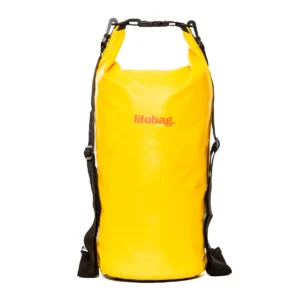
- Keep your emergency bag by the door, not buried in a cupboard.
- Agree on a meeting point outside, such as a lamp post or neighbour's gate, for every member of the household.
- Make sure everyone knows how to open windows and doors, including child locks and security chains.
Why Choose LifeBag?
If you have to leave suddenly, you will not have time to gather supplies. A LifeBag by the door gives you water, food, light, first aid, a whistle and documents space in one grab-and-go bag.
This guide is general information. In an emergency, always follow the instructions of the emergency services.