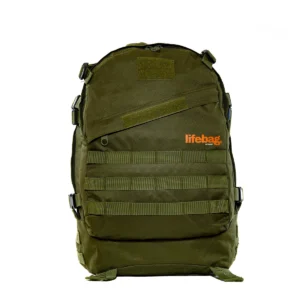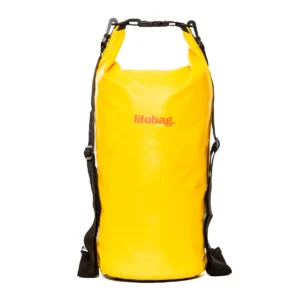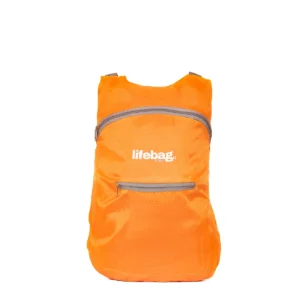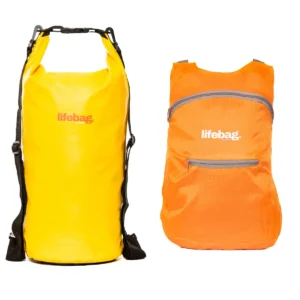
When an emergency hits, you may have to leave home quickly, or stay in it for days without power or running water. A kit that is well chosen, well packed and shared sensibly between everyone in the household makes both situations easier.
This guide shows how to pack an emergency kit for a couple or a family, from deciding what each person needs to organising the bags so you can find everything in the dark.
1. Start With Who You Are Packing For
- Adults: any regular medication (aim for at least a week's supply), spare glasses or contact lenses, and a copy of your prescriptions.
- Babies and toddlers: nappies, wipes, formula or food, bottles, a spare change of clothes and a comfort toy.
- Older children and teenagers: warm clothing, a small activity such as a book or cards, and their own written contact card.
- Older family members: medication, hearing aid batteries, walking aids and any medical information.
- Pets: food, water, a lead or carrier, and copies of vaccination records.
2. Share the Load Fairly
Weight is the biggest problem if you have to leave on foot. As a rule of thumb, a loaded backpack should stay at roughly 10 to 20 percent of an adult's body weight and no more than about 10 percent of a child's. Split the kit like this:
- Each adult carries their own bag with water, food, light and first aid, so no one person is a single point of failure.
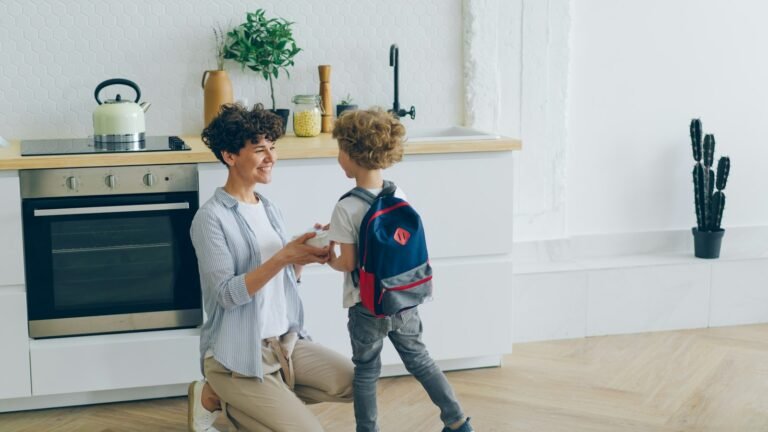
- Children carry something light and important to them, such as a comfort item, a snack and a whistle.
- Do not put every copy of a key item in one bag. Spread torches, radio, documents and medication across bags.
3. What Goes Into the Core Kit
- Water: plan at least 2 litres per person per day for drinking alone, plus a water filter.
- Food: compact, ready-to-eat food that needs no cooking, enough for at least 72 hours.
- Light and communication: a torch or headlamp, spare batteries and a battery or wind-up radio.
- First aid: a complete kit, plus personal medication and a short list of allergies.
- Warmth and shelter: thermal blankets, a poncho and a change of clothes.
- Hygiene: wipes, toothbrush, toilet items and rubbish bags.
- Documents and cash: copies of IDs, insurance and contact numbers in a waterproof sleeve, and small-denomination cash.
4. Pack So You Can Find Things in the Dark
- Group items in small labelled pouches: water and food, medical, light and communication, hygiene, documents.
- Put heavy items close to your back and near the middle of the bag.
- Keep what you need first, such as the torch, a jacket and the whistle, in an outer pocket.
- Use a waterproof bag for documents and electronics.
- Keep the bags together in one easy-to-reach place near the front door, not at the back of a cupboard.
5. Keep It Current
A kit you packed three years ago may no longer fit your family. Pick two fixed dates a year, for example when the clocks change, to check expiry dates, replace batteries, swap children's clothes for the right size and update medication and documents.
Why Choose LifeBag?
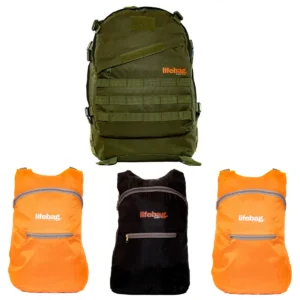
LifeBag kits come ready-packed with water, food, light, first aid and communication gear. For two people, the Duo combines a Basic with a Booster. For larger households, the Family set combines a Plus with three Boosters, so each person has their own bag.