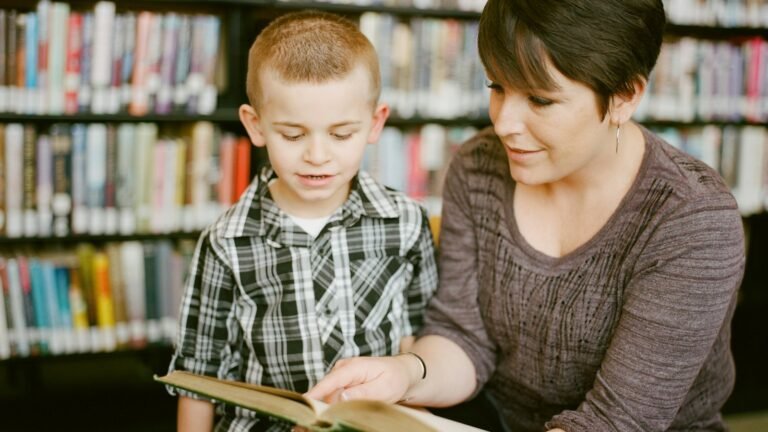
Supplies are only half of being prepared. How calm, informed and confident your family is matters just as much, and children in particular cope better when they know what to expect.
This guide offers practical ways to prepare yourself and your children mentally for an emergency without making anyone anxious.
1. Talk About It Calmly and Honestly
- Choose a calm moment, not during the news or just before bedtime.
- Keep it simple and factual. Explain what could happen, what you will do and who will help.
- Match the detail to the age. Younger children need short, concrete answers. Teenagers want to understand the reasons and the plan.
- Let them ask questions and say when you do not know the answer.
- Avoid promises you cannot keep, such as that nothing bad will happen. Say instead that you have a plan and that you will look after them.
2. Make Them Part of the Preparation
- Let each child choose a comfort item, such as a toy, a book or a photo, for their own bag.
- Pack the kit together and show them what each item is for. A torch and a whistle are less scary once a child has tried them.
- Give older children a real task, for example checking the batteries or reading the first aid cards.
- Write down the key phone numbers with them and make sure they can say your name and address.
3. Practise, Briefly and Often
- Run a short drill once or twice a year: find the exit routes, go to the meeting point and grab the bag.
- Keep it calm and a little playful. A few minutes is enough.
- Praise what went well, and fix one thing each time.
4. In the Moment: Keep Routines and Reassurance
- Stay calm in your voice and body language. Children copy the adults around them.
- Keep familiar routines where possible, such as meals, a story, bedtime.
- Limit exposure to news and social media, especially for younger children.
- Acknowledge feelings. It is fine to say that you are also a little afraid, and that you know what to do.
- Give children something to do, like sorting snacks or looking after a younger sibling.
5. After an Emergency
Children can show stress in different ways: trouble sleeping, clinginess, irritability, stomach aches or going back to earlier behaviour. These are usually normal and fade with time, comfort and routine. If they last for several weeks or get worse, talk to your GP or the child's school, who can point you towards support.
This guide is general information and not a substitute for professional advice.