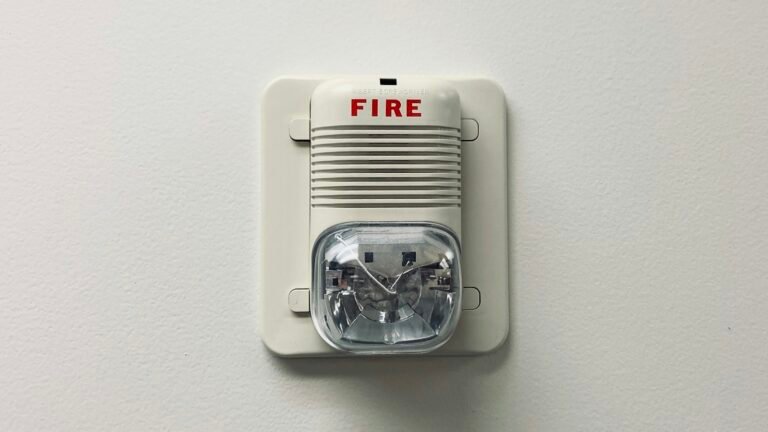
Most home fires and carbon monoxide incidents can be prevented, and a working alarm is one of the most effective early warnings you can have. Yet many alarms are old, have flat batteries or are in the wrong place.
This short checklist helps you check your home in about fifteen minutes.
1. Smoke Alarms: Where and How Many
- Fit at least one alarm on every floor, including the landing.
- Place alarms in hallways near bedrooms rather than in the kitchen or bathroom, where cooking fumes and steam cause false alarms.
- Mount alarms on the ceiling, away from corners and walls.
- If possible, choose interlinked alarms so that one alarm triggers all of them.
2. Test and Maintain
- Press the test button once a month.
- Replace batteries every year, unless you have a sealed ten-year alarm.
- Replace the whole alarm after about ten years. The date is printed on the back.
- Gently vacuum dust from the alarm every few months.
- Never remove the battery because of cooking fumes. Move the alarm or use its hush button.
3. Carbon Monoxide: The Invisible Risk
- Carbon monoxide (CO) has no smell and no colour. It comes from faulty boilers, gas heaters, blocked flues, open fires, barbecues and generators.
- Headache, dizziness, nausea and drowsiness are common signs, and they are easily mistaken for flu.
- Install a CO alarm near sleeping areas and near gas appliances.
- Never use a barbecue, patio heater or generator indoors or in a garage.
4. If an Alarm Sounds
- Smoke alarm: get out at once, stay low, close doors behind you and call 112 from outside. Never go back in.
- CO alarm: open windows and doors, switch off the appliance if it is safe to do so, and get everyone into fresh air. Call 112 if anyone feels unwell.
- Do not re-enter until the emergency services say it is safe.
5. Plan Your Escape
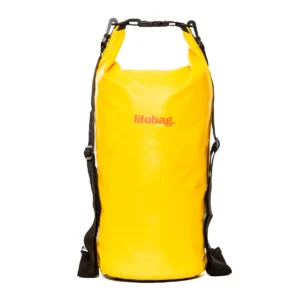
Agree on two ways out of every bedroom and a meeting point outside, and practise at night with children. Keep shoes, a torch and your emergency bag near the bed or the front door so you can leave in seconds. A LifeBag by the door means water, light, first aid and a whistle leave with you.
This guide is general information. In an emergency, always follow the instructions of the emergency services.