When people think about emergency preparedness, they often choose between building a kit themselves or buying one ready-made. Both can work — but they serve different needs.
A LifeBag is designed for people who want to be prepared without turning preparedness into an ongoing project.
The Difference With DIY Kits
DIY emergency kits usually start well but often become incomplete or unbalanced over time. Some items are forgotten, others are duplicated, and maintenance becomes difficult. Food expires, batteries run out, and space quickly disappears — especially when you try to store everything in one place.
DIY kits can work, but they require time, planning, and regular checking.
What a LifeBag Does Differently
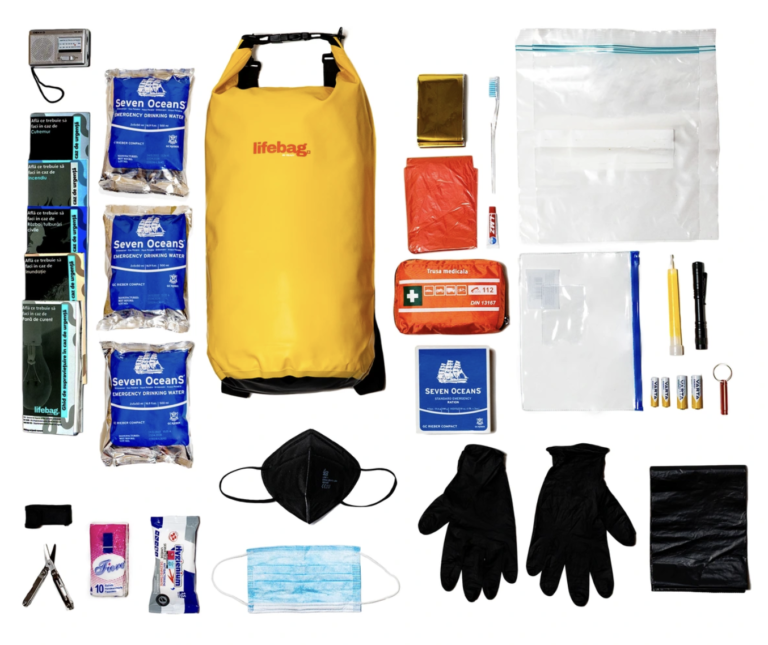
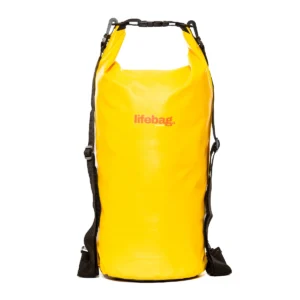
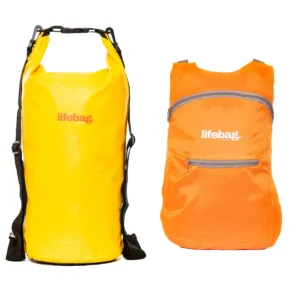
LifeBag is a complete 72-hour emergency kit built around European and Dutch preparedness guidelines. Core essentials — water, food, communication, lighting, first aid, tools, hygiene, and signaling — are already included and organized in one waterproof backpack.
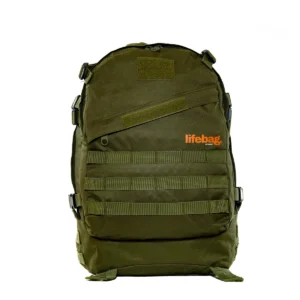
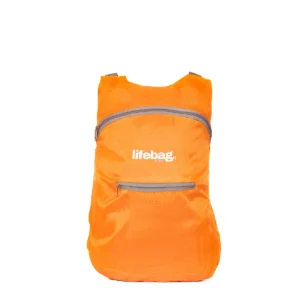
The backpack format matters. It’s easy to grab, practical if you need to leave, and still leaves space for your own items, such as clothing, documents, medication, or personal supplies.
Simple, Complete, and Modular
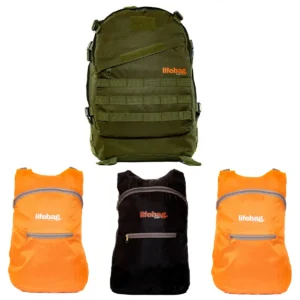
Instead of buying multiple full kits for each person, LifeBag uses Booster Packs. These allow you to add food, water, warmth, or hygiene supplies for additional family members without duplicating radios, tools, or flashlights.
This makes LifeBag easier to store, easier to maintain, and more cost-effective than most DIY setups.
Built to Be Personalized
Some items — like cash, ID copies, emergency contacts, and medication — are intentionally left for you to add. These are personal by nature. LifeBag provides the structure and waterproof storage; you decide what belongs inside.
Prepared Without Overthinking
A DIY kit is something you build and manage. A LifeBag is something you set up once and trust.
If you want preparedness to be simple, complete, and adaptable to your life, that’s where LifeBag makes the difference.