Winter storms bring strong winds, heavy rain, flooding and, increasingly, power cuts and travel disruption. KNMI issues colour-coded warnings, and a few simple preparations make a big difference.
This guide covers what to do before, during and after a storm.
1. Understand the Warnings
- KNMI uses colour codes: yellow, orange and red. Orange and red mean significant risk, so take them seriously.
- Check the KNMI website or app and keep NL-Alert switched on in your phone settings.
- At the highest levels, avoid unnecessary travel and follow the instructions of the authorities.
2. Before the Storm
- Bring in or secure garden furniture, bins, bikes and anything else the wind could pick up.
- Close and secure windows, doors and shutters.
- Clear gutters and drains so rainwater can escape.
- Charge phones and power banks.
- Keep a torch, radio, water and blankets within easy reach.
- Know where the gas, water and electricity shut-offs are.
3. During the Storm
- Stay inside and away from windows.
- Avoid travelling, especially by bike, on bridges and along the coast.
- Stay away from trees, scaffolding and power lines.
- Never touch fallen cables. Keep others away and call 112 if there is danger.
- If the power fails, use torches rather than candles.
4. After the Storm
- Check your home for damage before you go outside, and take photos for your insurer.
- Stay away from flooded areas and from damaged trees and structures.
- Report fallen trees and cables to the authorities or your network operator.
- Check on neighbours, especially older people and those living alone.
5. Have Light, Information and Warmth Ready
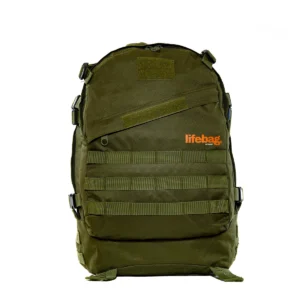
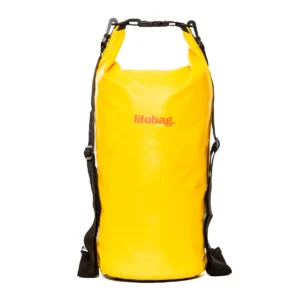
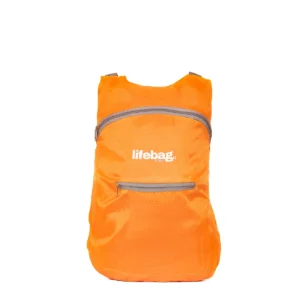
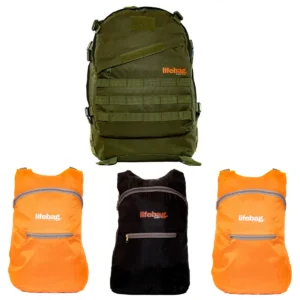
A storm often brings a power cut with it. A battery or wind-up radio, a torch, blankets and a charged power bank cover most of what you need. LifeBag Basic and Plus include a battery radio, and every LifeBag includes a flashlight and a thermal foil blanket, packed together in one bag.
This guide is general information. Always follow the instructions of KNMI and the authorities.