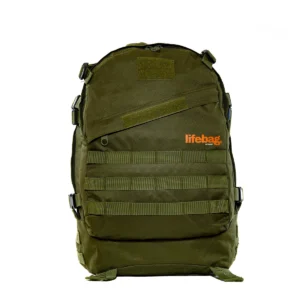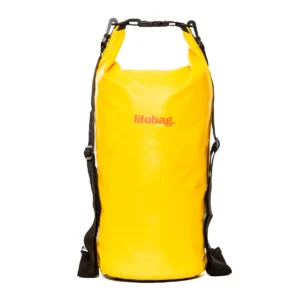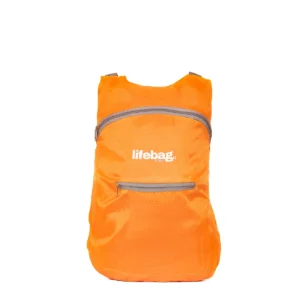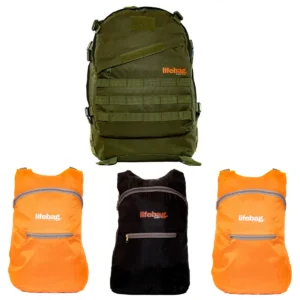
A ready-made emergency kit covers the basics: water, food, light, first aid and communication. What it cannot know is what you personally rely on every day.
This guide lists the personal items worth adding to your emergency backpack so that it fits your household.
1. Health and Medication
- Regular medication for at least a week, in the original packaging with the dosage
- A copy of your prescriptions and the contact details of your GP
- Spare glasses or contact lenses and solution
- Hearing aid batteries, inhalers, an EpiPen or other essential devices
- Pain relief, plasters and any personal first aid items
- A written note of allergies, blood type if known and chronic conditions
2. Documents and Money
- Copies of passports or ID cards, driving licence, insurance policies and bank details
- Proof of address and copies of important contracts
- A list of key phone numbers on paper
- Cash in small notes and a spare bank card
- A USB stick with scanned documents and family photos
3. Comfort and Hygiene
- A change of underwear, socks and a warm layer
- Sturdy, comfortable shoes kept near your bag
- Sanitary products, a toothbrush and any personal hygiene items
- Baby supplies if you have young children: nappies, wipes, formula, bottles and a spare change of clothes
- A small comfort item for each child, such as a toy or book
4. Communication and Practical Extras
- A phone charger and a charged power bank
- A paper map of your area and a pen with a small notebook
- Spare keys for your home, car and any neighbour's home you look after
- A multi-purpose tool and a few cable ties
- Food, a lead and a carrier for your pets
5. Keep It Up to Date
Check your personal items twice a year, for example when the clocks change. Replace expired medication and documents, update contact numbers and swap clothing for the season. Remember to refresh children's clothing as they grow.