Fires remain a serious risk in the Netherlands, particularly in homes, apartment buildings, and urban areas. Common causes include faulty electrical installations, overloaded sockets, unattended cooking, candles, charging batteries, and renovation work. During dry summers, vegetation fires can also occur in nature reserves and rural areas, while winter brings increased indoor fire risks due to heating and electrical usage.
Although Dutch emergency services respond quickly, fires spread fast—and preparation and rapid action can mean the difference between life and death.
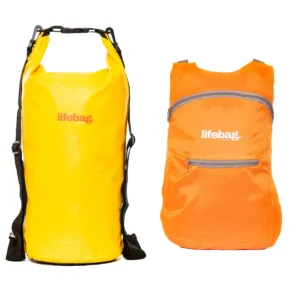
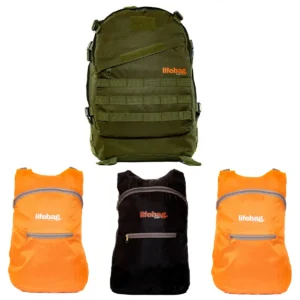
That’s why LifeBag was created: an emergency backpack designed to help you respond effectively to all types of emergencies, including fires. Whether you need to evacuate immediately or are temporarily trapped indoors, having the right equipment—and knowing how to act—is essential.
Below are practical, life-saving fire survival tips designed for households in the Netherlands.
1. Before a Fire: Prevention and Preparation
Prevention is the first line of defence. Here’s how to reduce fire risk and prepare your household:
- Check electrical systems: Avoid overloading sockets and extension cords. Replace damaged cables and faulty appliances.
- Install smoke detectors: Smoke alarms are mandatory in Dutch homes. Install them on every floor and test them monthly. Replace batteries yearly.
- Keep fire extinguishers and fire blankets: Especially in the kitchen. Make sure everyone knows how to use them.
- Create an evacuation plan: Identify escape routes and agree on a meeting point outside the building. Include children and pets.
- Never leave open flames unattended: Cooking, candles, BBQs, and smoking materials require constant supervision.
- Reduce flammable hazards: Keep curtains, paper, and furniture away from heat sources. Store fuels and chemicals outside, in ventilated areas.
Keeping a LifeBag in an accessible location ensures you can grab essential items—water, protective gear, and instructions—within seconds.
2. During a Fire: Act Quickly and Safely
When a fire breaks out, seconds matter.
- Evacuate immediately: If you see flames or heavy smoke, leave right away. Take your LifeBag only if it’s within reach—never delay evacuation.
- Stay low: Smoke rises. Crawl if necessary and breathe closer to the floor where the air is cleaner.
- Use respiratory protection: If available, use the FFP2 or FFP3 mask from your LifeBag to reduce smoke inhalation.
- If escape isn’t possible: Go to a window, seal the door gaps with tape or clothing, and signal for help using the whistle, flashlight, or glow stick from your LifeBag.
- Check doors before opening: If a door feels hot, do not open it—find another exit. Close doors behind you but never lock them.
- Never use elevators: Always use stairs.
- Call emergency services: Dial 112 and clearly state your location.
- Extinguish small fires only if safe: Aim at the base of the flames using a fire extinguisher. A wet towel or fire blanket (included in LifeBag Plus) can help smother small fires. Never use water on electrical or grease fires.
Every LifeBag version—Basic, Plus, or Booster—includes essential tools such as masks, lighting, signalling devices, and clear instructions for these situations.
3. After a Fire: Recover Safely
Even after flames are extinguished, risks remain.
- Monitor your health: Smoke inhalation can cause delayed symptoms. Seek medical attention for persistent coughing or breathing difficulties.
- Wait for official clearance: Do not re-enter your home until fire services confirm it’s safe.
- Ask for support: Contact family, local authorities, or relief organisations such as the Red Cross. Notify your insurance provider.
- Inspect structural safety: Check walls, floors, and ceilings carefully. Avoid unstable areas.
- Ventilate thoroughly: Open windows to remove smoke and toxic gases.
- Clean safely: Wear gloves and masks (available in LifeBag) when handling debris. Do not restore utilities until checked by professionals. Discard food and medication exposed to smoke or heat.
Why Choose LifeBag?
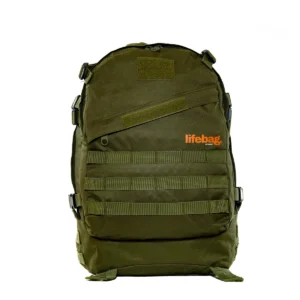
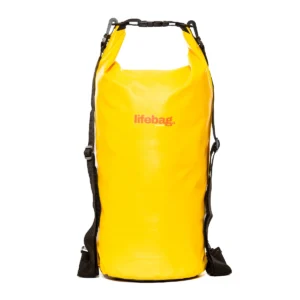
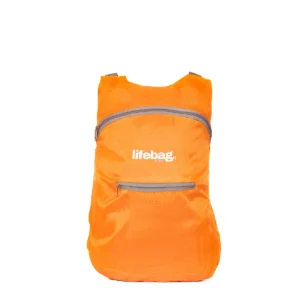
Whether you choose LifeBag Basic (20L), LifeBag Plus (35L), or LifeBag Booster (15L), each version is designed to support 72 hours of survival. Every backpack includes water, food, protective equipment, and clear instructions—ready for fires, evacuations, or other emergencies.
Fires don’t wait for you to be ready.
With LifeBag, you’re prepared to prevent, react, and recover.
Stay one step ahead—your safety and your family’s safety start with preparation.