You do not need to buy everything new to be prepared. Most homes already hold dozens of things that become very useful when the power, water or heating stops. Here is how to put ordinary household items to work, sorted by what you need.
Water
- Fill up when you get a warning: bottles, pans and the bathtub. Bath water is for flushing the toilet and washing, not for drinking.
- Ice cubes and frozen bottles in the freezer keep food cold during a power cut and become drinking water when they melt.
- Boiling makes water safe if you have gas or a camping stove outdoors: bring it to a rolling boil for at least one minute and let it cool in a clean, covered pan.
Light
- Head torches and bike lights give hands-free light. Many bike lights charge over USB from a power bank.
- Solar garden lights: bring them inside at night as safe room lights, and put them back in the sun during the day.
- Phone torch: fine for a moment, but it drains the battery fast. Save it for calls and messages.
- Candles only with care: in a jar or holder, away from curtains, and never left alone or near children and pets.
Power and communication
- Power banks and laptops can charge your phone over USB. Keep power banks charged.
- The car can charge phones and has a radio. Only run the engine outdoors, never in a closed garage, because of carbon monoxide.
- Pen and paper: keep important phone numbers on paper, and leave a note on the door if you leave home, saying where you went.
Warmth
- Blankets, duvets and sleeping bags: gather everyone in one room and close the doors and curtains.
- Layers of clothing, a hat and thick socks keep more warmth in than one heavy jumper.
- A hot water bottle stays warm for hours if you can heat water safely.
- Towels or a rolled-up blanket along the bottom of doors and windows stop draughts.
More tips in How to Stay Warm Without Heating.
Food
- Eat in order: fridge first, then freezer, then tins and dry food. Keep fridge and freezer doors closed as much as possible.
- A cooler box with ice packs keeps the most important fridge items, like medication that needs cooling or baby food, cold for longer.
- A camping stove or barbecue is useful for cooking, but only outdoors. Never use it indoors, on a balcony under a roof or in a garage.
See also Emergency Food Without Cooking.
Hygiene and toilet
- No water to flush? Line the toilet bowl or a bucket with two garbage bags and add cat litter, sawdust or shredded paper after each use. Close the bag tightly and keep it outside.
- Soap, hand gel and baby wipes keep hands clean when the tap is dry.
- A basin of water and a flannel are enough for a wash.
Protection and repairs
- Duct tape, garbage bags and cling film seal a broken window or a leak for now.
- Wet towels along the bottom of the door keep smoke out of a room if you have to stay inside during a fire or toxic smoke.
- Strong plastic bags filled with sand or soil work as small sandbags in front of doors and drains.
- Bucket and mop, old towels: handy for water coming in.
First aid with what you have
- A clean tea towel or pillowcase works as a dressing or sling.
- Frozen peas wrapped in a cloth make a cold pack for bumps and sprains.
- Burns: cool under lukewarm running water for 20 minutes, then cover loosely with cling film and get help for anything larger than your palm.
Getting around
- A bicycle works when roads are blocked and public transport stops.
- Keep the car’s tank at least half full, especially in winter.
Never do this
- Never use a barbecue, patio heater, gas cooker, generator or charcoal indoors to cook or heat. Carbon monoxide is invisible and deadly.
- Never drink water from radiators, the heating system or a garden hose.
- Never leave candles or a stove burning unattended.
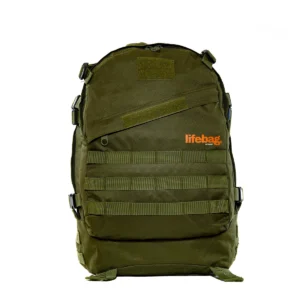
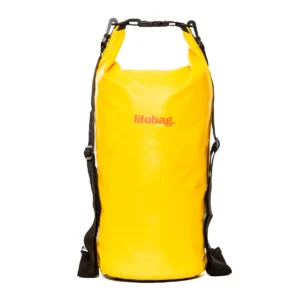
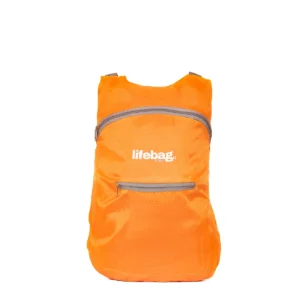
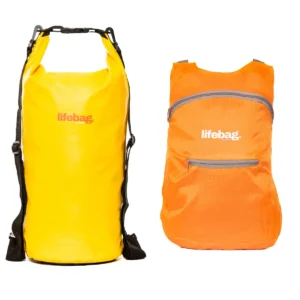
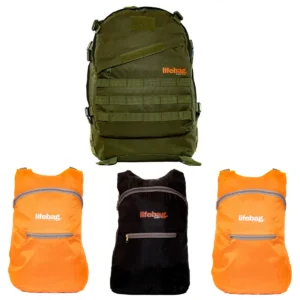
Your LifeBag covers the essentials for 72 hours. Combined with what you already have at home, you can manage much longer. Check the smoke and carbon monoxide alarms in your home too.